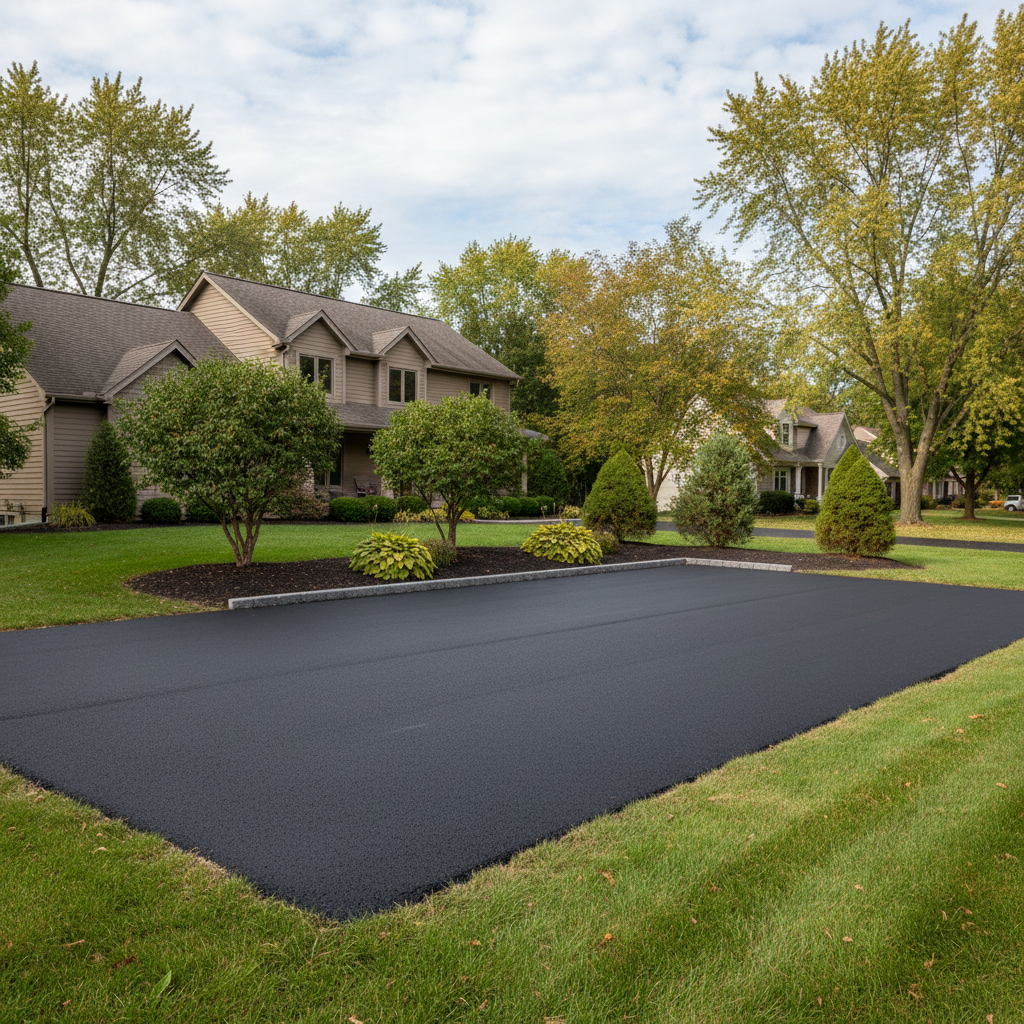
So, you've got a commercial spot in Lansing, and it's finally time to tackle that beat-up parking lot or access road. Good on you for taking care of it! But, you know, I've seen a lot of folks – even seasoned property managers – trip up on some pretty basic stuff when they're planning or hiring for these bigger asphalt projects. Let's dig into what to keep an eye out for. That way, you won't end up wishing you'd done things differently.
Mistake #1: Not Getting Detailed Specs in Writing
This one's probably the biggest. People often just get a quote that says, "Pave parking lot - $X." Honestly, that's not good enough. What kind of asphalt are they actually using? How thick will it be? Are they even touching the sub-base? What about drainage? Here in Lansing, especially with our wild freeze-thaw cycles and those clay soils, the sub-base and drainage are absolutely critical. If your contractor isn't laying out the exact layers, materials, and all the prep work, you're just setting yourself up for trouble later on. You really need to know if they're going to compact the sub-grade, use a specific aggregate base, and what type of binder and surface course asphalt they're putting down. Don't just assume they'll do it right; make them put it in writing.
Mistake #2: Focusing Only on the Lowest Bid
Look, I totally get it. Budgets are always tight. But, honestly, picking the cheapest bid for a commercial asphalt job almost always ends up costing you more in the long run. The lowest bidder? They're often cutting corners. Maybe they'll use less material, thinner layers, or skip crucial prep work like proper drainage or fixing soft spots. A couple of years down the road, you'll be shelling out for repairs or even a full re-do, and that initial 'savings' will look pretty silly. Ask yourself why one bid is way lower than the others. Are they licensed and insured? Do they have a history with commercial projects? Do they offer a warranty? A solid company like Valley Asphalt Inc might not be the absolute cheapest, but we'll deliver a quality job that lasts, saving you money for years to come.
Mistake #3: Ignoring Drainage Issues
This kind of ties into getting detailed specs, but it's so darn important it needs its own spot. Water is asphalt's arch-nemesis. If your parking lot or access road doesn't drain correctly, you'll get standing water, which means cracks, potholes, and it'll just fail prematurely. I've seen commercial properties, especially in places like the Old Town district where historic buildings already have tricky drainage, and if a contractor doesn't factor that in, you're just paving over a problem. A good contractor will check out your site's lay of the land, find those low spots, and suggest fixes like catch basins, trench drains, or proper grading to make sure water flows away from your pavement. If they don't bring it up, well, you definitely should.
Mistake #4: Not Checking References or Past Work
You wouldn't hire an employee without checking references, right? Same deal with an asphalt contractor, especially for a big commercial job. Ask for a list of commercial projects they've finished around the Lansing area. Go drive by them. See how they look a year or two later. Chat with the property owners. Were they on time? Did they stick to the budget? Was the quality up to snuff? A contractor who's proud of their work will be happy to show it off. If they hesitate or can't give you examples, that's a pretty big red flag, don't you think?
Mistake #5: Not Understanding the Project Timeline and Disruptions
Commercial asphalt projects can really shake things up. You might need to block off parts of your parking lot, reroute traffic, or even close your business for a bit. A good contractor will work with you to keep that disruption to a minimum. They'll give you a clear timeline, explain the different phases, and talk about how they'll manage access for your customers or tenants. If your contractor isn't discussing this upfront, you could end up with unexpected closures or some very unhappy customers. Make sure you're both on the same page about when the work starts, how long it'll take, and what impact it'll have on your day-to-day operations.
Doing your homework early can save you a ton of headaches and money later on. Don't rush into it, ask the tough questions, and make sure you're getting a quality job that'll stand up to Lansing's weather and traffic for years to come.