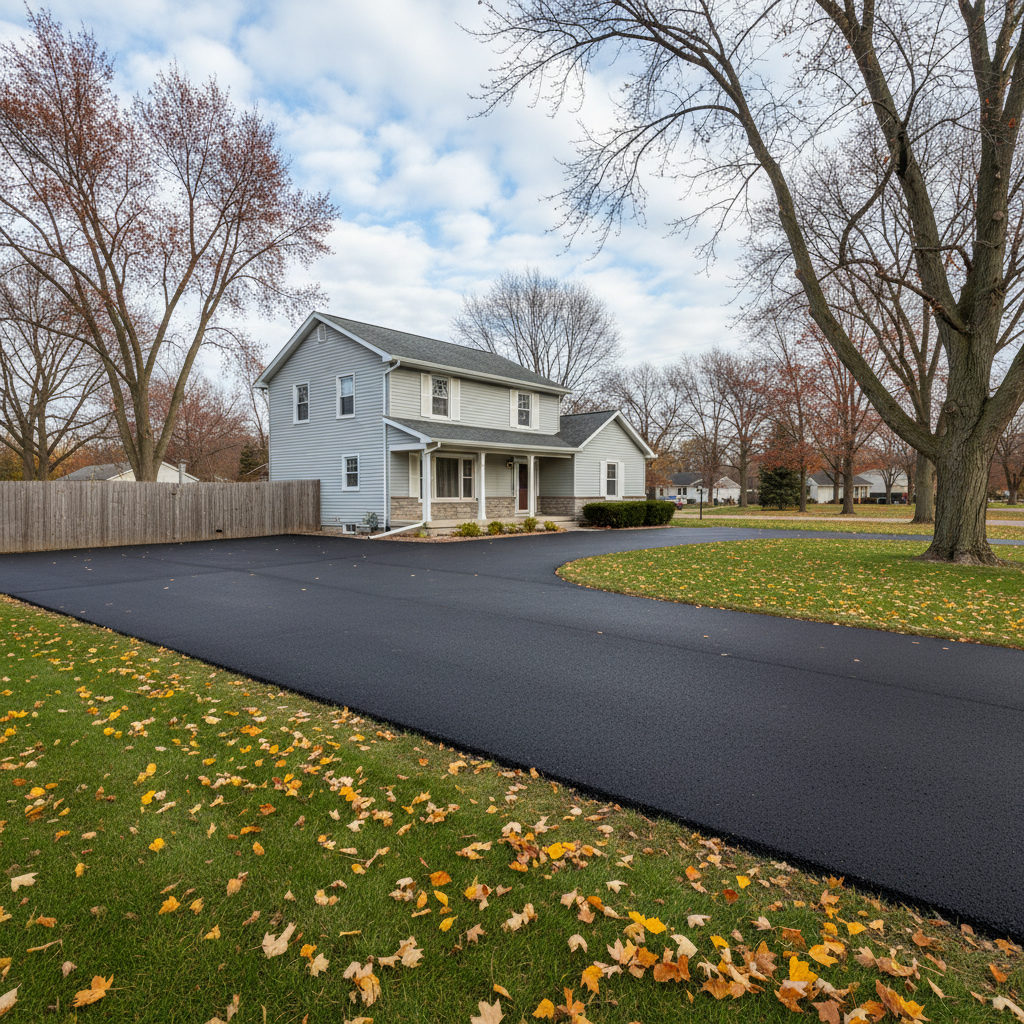
Running a business in Lansing means you've got a lot on your plate. One thing that often gets overlooked until it's a real problem is your parking lot or commercial asphalt. A smooth, well-maintained lot isn't just about curb appeal; it's about safety, accessibility, and protecting your investment. But when's the right time to tackle that paving project here in Michigan, and how do you make sure it lasts?
Scheduling Your Commercial Asphalt Project: Timing is Everything
You can't just pave asphalt any old time. The weather plays a huge role, especially here in Lansing where we get all four seasons in full force. For new paving or major overlays, you're looking at a pretty specific window.
- Spring (Late April to June): This is prime time. The ground has thawed, temperatures are consistently above freezing, and we're usually past the worst of the spring rains. The base layers can dry out properly, and the asphalt has good conditions to cure. If you want your project done before the summer rush, start planning in late winter.
- Summer (July to Early September): Still a great time. The heat helps the asphalt compact and bond well. We're usually pretty dry, which is ideal. The only downside is that everyone else is trying to get their work done too, so contractors like us at Valley Asphalt Inc get booked up fast. Don't wait until August to call if you want it done this season.
- Fall (Mid-September to Mid-October): This can work, but you're pushing it. You need consistent daytime temperatures above 50°F, and ideally, the overnight lows shouldn't dip too far below freezing. If it gets too cold, the asphalt cools too quickly, making it harder to compact properly and potentially leading to issues down the line. We've seen jobs in October where an unexpected cold snap makes things tricky.
- Winter (November to March): Forget about it for major paving. Asphalt needs warm temperatures to be workable and to cure correctly. Trying to pave in freezing weather is a recipe for disaster and a waste of your money. We might do small, emergency repairs if absolutely necessary, but full paving? No way.
Weather Conditions That Affect the Job
It's not just about the season; specific weather conditions on the day of the job matter a lot. You might have your project scheduled for July, but if a cold front or a major storm rolls through, we might have to reschedule. Here's what we look for:
- Temperature: As I mentioned, 50°F and rising is the sweet spot for the air and ground. If it's too cold, the asphalt becomes stiff and hard to work with, leading to poor compaction and a weaker surface.
- Moisture: Paving on wet ground is a big no-no. The base layers need to be dry so the asphalt can bond properly. If there's standing water or the subgrade is saturated, you'll end up with a weaker foundation, which means cracks and potholes show up much faster. Even a light drizzle can sometimes delay a fresh pour.
- Wind: While not as critical as temperature or moisture, strong winds can cool the asphalt mix too quickly, especially on large, exposed parking lots. This can make it harder to achieve optimal compaction.
We're always watching the forecast closely. If conditions aren't right, we'll be upfront with you about needing to adjust the schedule. It's always better to wait a few days for good weather than to rush a job that won't last.
Protecting Your Commercial Asphalt Investment Year-Round
Once you've got that beautiful new parking lot, you want to keep it that way, right? It's not a set-it-and-forget-it kind of deal, especially with our Lansing winters and the freeze-thaw cycles we experience. Here's what you need to do:
- Sealcoating: This is probably the most important thing you can do. Think of it like sunscreen for your asphalt. It protects against UV rays, water penetration, and spills from oil and gas. For commercial properties, I usually recommend sealcoating every 2-3 years, depending on traffic volume and the condition of the pavement. It makes the asphalt look new again and significantly extends its life.
- Crack Filling: Don't let small cracks become big problems. Water is asphalt's worst enemy. When water gets into cracks, especially in winter, it freezes, expands, and turns those small cracks into massive potholes. Get cracks filled promptly. It's a relatively inexpensive repair that saves you a lot down the road.
- Proper Drainage: Make sure your lot drains well. Standing water is a killer. If you notice puddles that don't dry quickly, you might have a drainage issue that needs addressing. Sometimes it's just a clogged drain, other times it might require minor re-grading.
- Regular Sweeping and Debris Removal: Keep your lot clean. Dirt, gravel, and other debris can accelerate wear and tear, especially with vehicle traffic grinding it into the surface. Plus, a clean lot just looks better for your customers.
- Snow Plowing and De-icing: Be smart about snow removal. Avoid using metal-edged plows directly on the asphalt if possible, or make sure they're set correctly to avoid scraping. Be careful with de-icing chemicals. While rock salt is common, excessive use can be harsh on asphalt over time. Consider alternatives or use it sparingly.
- Address Problems Early: Don't ignore small issues. A small pothole can become a huge crater overnight, especially after a couple of freeze-thaw cycles. Getting repairs done quickly is always more cost-effective than waiting until you need a major overhaul.
Your commercial asphalt is a significant asset to your business. Taking these steps will ensure it stays in top shape, looks professional, and avoids costly, unexpected repairs. If you've got questions about your commercial property's asphalt needs, give us a call at Valley Asphalt Inc. We're here to help you make the best decisions for your business.