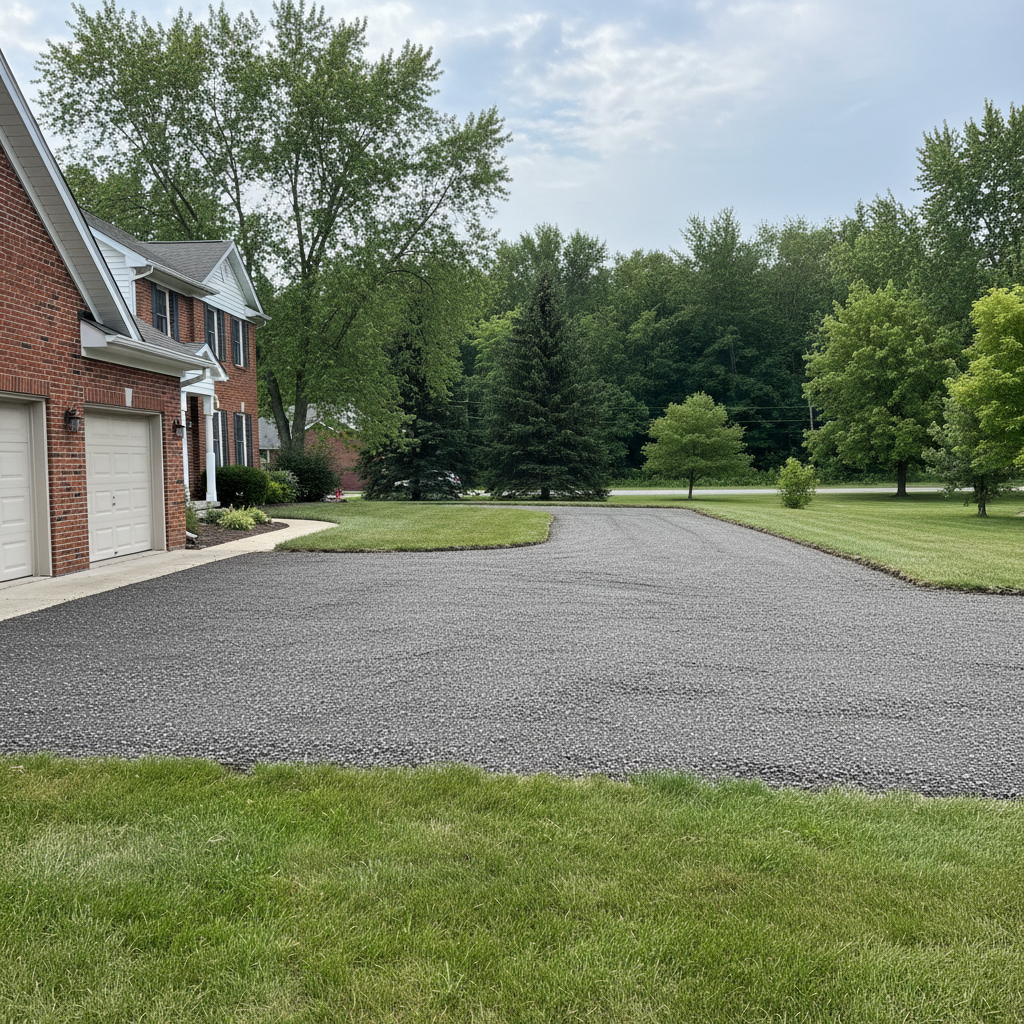
You're staring at that old, cracked-up driveway and thinking, "Okay, it's really time." Maybe you've heard about asphalt milling as a smart first step before putting down a new layer. It often saves you money, actually, and usually gives you a much better, longer-lasting surface than just paving right over the old stuff. But, you know, I've seen plenty of folks in Lansing mess up when they're planning or hiring for a milling project. So let's talk about what to watch out for. That way, you won't end up kicking yourself later.
Mistake #1: Not Really Getting What Milling Is
This sounds super basic, but honestly, it's probably the biggest issue. Some homeowners think milling just means tearing out the whole driveway. Not true. Milling is when we grind up the top layer of your existing asphalt. We use special equipment for this – picture a big machine with a rotating drum full of cutting teeth – to shave off a precise amount of the old pavement. What's left behind is a rough, textured surface, which is perfect for a new layer of asphalt to stick to. It's not a full dig-out, and it's definitely not just a surface patch. If a contractor mentions "milling" but their quote includes ripping out and hauling away tons of material, you might be talking about two different things. Just make sure you both understand the exact scope of work.
Mistake #2: Skipping the Sub-Base Check
This is a huge one, especially around here. Lansing winters, well, they're no joke, and those freeze-thaw cycles can really wreck a poorly prepared sub-base. Milling gets rid of the worn-out surface, sure, but it doesn't fix what's going on underneath. If your driveway has spots that are always sinking, cracking like a spiderweb, or holding water, that's a clear sign of a sub-base problem. Just milling and paving over that? Those issues will pop right back up, probably sooner than you'd like. A good contractor will check your existing driveway for these red flags. They might suggest digging out and fixing soft spots in the sub-base before any new asphalt goes down. Don't let anyone talk you into just milling and paving if there are obvious signs of structural failure below. You'd just be throwing good money away.
Mistake #3: Picking the Lowest Bid, Period
Look, I get it, everyone wants a good deal. But with asphalt work, the cheapest price often brings hidden costs later on. For milling, specifically, you really need the right equipment and experienced people running it. An inexperienced crew might mill too deep in some spots, too shallow in others, or leave the surface uneven. And that makes it incredibly hard to lay a smooth, consistent new layer of asphalt. You'll end up with dips, humps, and areas that wear out way too fast. Ask for references, check out their past jobs, and confirm they're properly insured. A slightly higher price from a solid company like Valley Asphalt Inc usually means better equipment, skilled labor, and a job done right the first time. Worth it, trust me.
Mistake #4: Not Thinking About Drainage
Water is asphalt's worst enemy. Always has been, always will be. When you mill and pave, you get a golden chance to fix any drainage problems your old driveway had. Maybe water always gathered near your garage door, or ran straight toward your foundation. A good milling and paving plan will include proper grading to make sure water flows away from your house and doesn't just sit on the pavement. Sometimes this means adjusting how deep they mill in certain areas or adding a slight slope. Don't just assume the new driveway will magically fix old drainage issues. Talk it over with your contractor and make sure they have a clear plan to manage water effectively. This is especially important for homes in older Lansing neighborhoods, like those around the Capitol, where the original grading might not have been ideal.
Mistake #5: Forgetting About Edges and Transitions
Milling creates a neat edge where the old pavement ends and the new begins. But what about where your driveway meets your lawn, the street, or a sidewalk? People often overlook these transitions. You really don't want a sharp drop-off from your new driveway to your grass, or an awkward lip where it meets the street, do you? A pro will plan for smooth, safe transitions. That might mean feathering the edges, building up the shoulders with aggregate, or making sure the new asphalt connects perfectly with existing structures. It's these small details that truly make a big difference in how your project looks and how long it lasts.
Milling can be a fantastic way to give your driveway a fresh start. Just make sure you go into it informed, ask the right questions, and don't cut corners on the important steps. Your new driveway will definitely thank you for it.