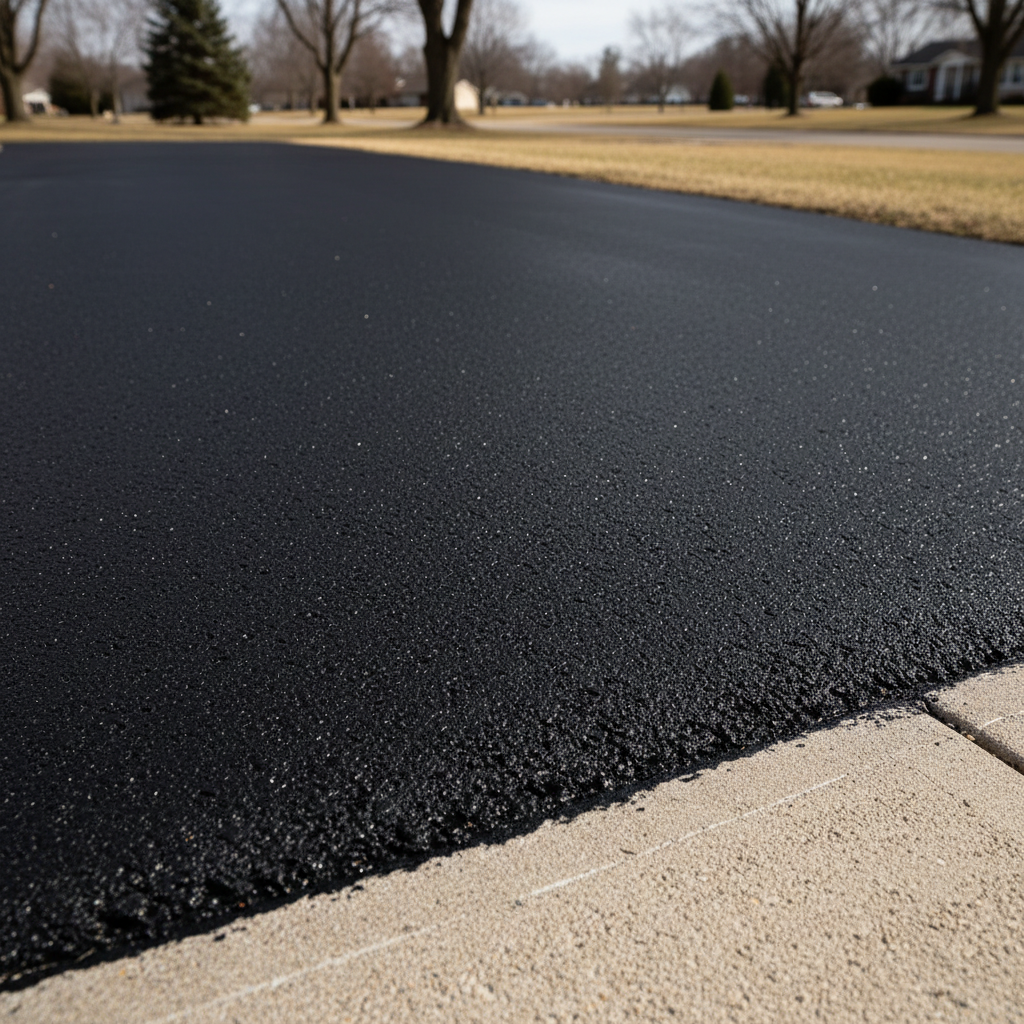
Your asphalt driveway really takes a beating, especially here in Lansing with our crazy temperature swings and heavy snowfalls. Sealcoating is honestly one of the best things you can do to protect that investment, keeping it looking good and making it last longer. But should you just grab a bucket and roller, or is it time to pick up the phone?
Before You Even Think About Sealcoating
First things first, your driveway needs to be clean. And I mean *really* clean. You're not just sweeping it; you need to get rid of all the dirt, leaves, grass, and any oil or grease stains. A good power wash usually does the trick here. Just make sure you let it dry completely afterward – we're talking 24-48 hours, depending on the weather. If it's still damp, that sealer isn't going to stick right, and you'll definitely have problems down the road.
Next, check for cracks and potholes. Sealcoating won't fix these; it'll just cover them up, which isn't helpful. You absolutely need to repair any damage *before* you seal. For small cracks, say under a quarter-inch wide, you can probably handle it yourself with a decent quality crack filler from the hardware store. Just be sure it's made for asphalt. For anything bigger, or if you've got actual potholes, that's usually when you'll want to call in a professional. Trying to patch a big hole yourself often leads to a temporary fix that just won't hold up through a Lansing winter, believe me.
Finally, check the weather forecast. You need at least two days of dry weather with temperatures consistently above 50 degrees Fahrenheit, both day and night. If it dips too low, or if there's rain, the sealer won't cure properly. We've seen plenty of folks rush it, and they end up with a streaky, peeling mess, which is a shame.
The Sealcoating Process: DIY vs. Pro
Okay, so your driveway is clean, dry, and repaired. Now for the actual sealcoating part.
If you've got a small, relatively new driveway with minimal damage, and you're comfortable with a bit of physical labor, doing it yourself is an option. You'll need to buy the sealer, brushes, rollers, and applicators. Make sure you get a good quality commercial-grade sealer, not the cheapest stuff you can find. Read the instructions on the bucket carefully; they're there for a reason, you know. You'll typically apply it in sections, making sure to get an even coat. It's more work than it looks, especially keeping those edges clean and avoiding puddles.
Here's where it gets tricky for DIY: getting an even application. If you put it on too thick, it'll crack and peel. Too thin, and it won't offer much protection. And those brush marks? They'll be there until the next sealcoat. Also, if your driveway is older, has a lot of surface imperfections, or is particularly large, you're going to be in for a long, frustrating day. That's when you should seriously consider calling us at Valley Asphalt Inc. We've got the right equipment, the right materials, and the experience to apply it smoothly and efficiently. We use commercial spray applications that give a much more uniform finish than you'll get with a roller or squeegee, especially on larger areas or driveways with slopes, like some of the older homes in the Westside neighborhood.
After the Sealcoat is Down
This part is crucial, whether you did it yourself or hired us: stay off it! You need to give the sealer at least 24-48 hours to dry completely before walking on it, and even longer – 48-72 hours, sometimes more depending on humidity – before driving on it. If you drive on it too soon, you'll leave tire marks and scuffs that won't go away. It's like painting a wall and then leaning on it before it's dry; you'll regret it.
Keep an eye on the weather during this curing period too. If it rains heavily right after you've applied it, you might have some wash-off, especially if it didn't have enough time to set. That's a bummer, and sometimes you'll need to reapply in those areas.
Sealcoating isn't a one-and-done deal. To really protect your driveway, you should plan on reapplying every 2-3 years. This schedule can vary based on traffic, sun exposure, and how harsh our Lansing winters are. Regular maintenance like this can easily double the lifespan of your asphalt driveway, saving you big money on repaving down the line. It's a small investment that pays off.
My Two Cents
For a small, new, pristine driveway, DIY sealcoating might be manageable if you're patient and detail-oriented. But for most homeowners, especially with older or larger driveways, bringing in a professional like Valley Asphalt Inc. is usually the smarter, less stressful choice. You'll get a better, longer-lasting result, and you won't spend your weekend scrubbing and rolling. We're here to help you protect your investment.