What's Slurry Coating, Anyway?
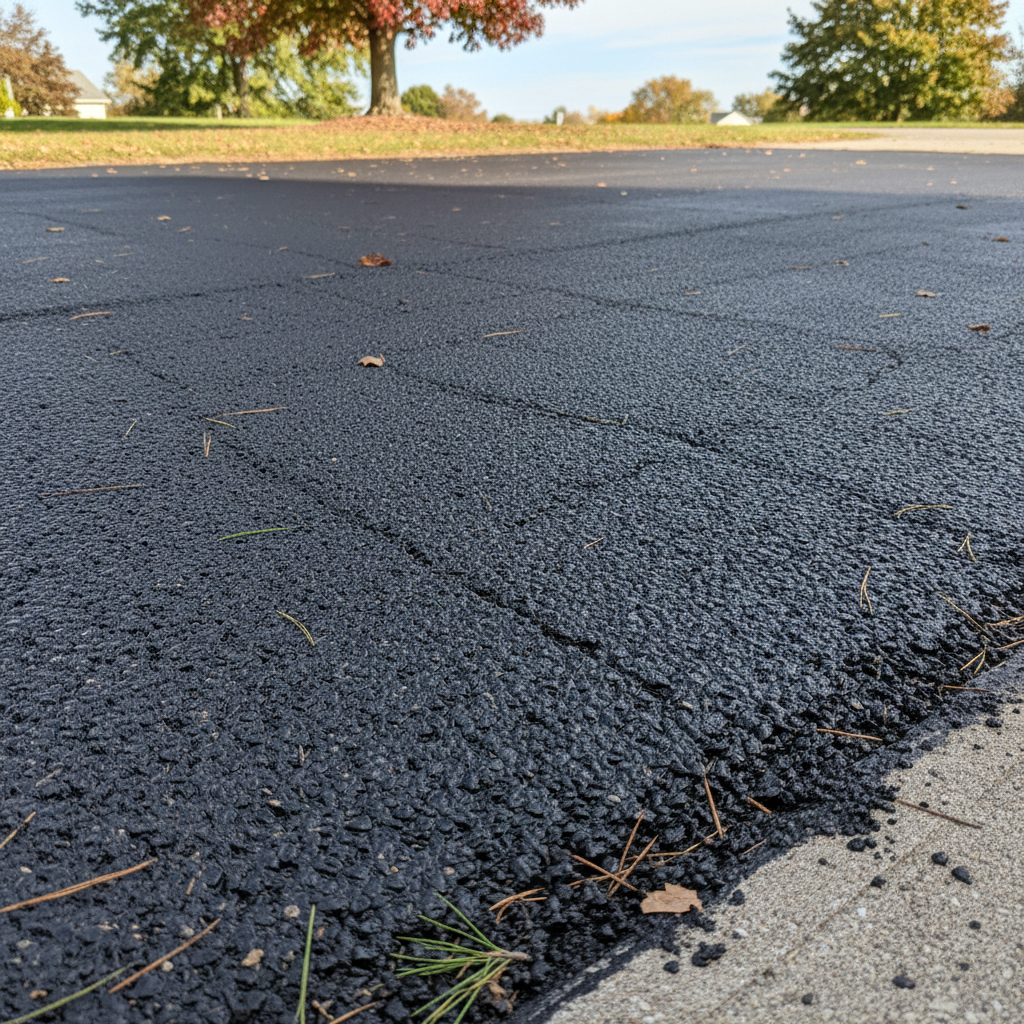
Alright, let's talk slurry coating. You've probably seen it around, maybe even had it done, but what exactly is it? Think of it as a protective coat for your asphalt driveway. It's basically a mix of asphalt emulsion, water, some fine mineral bits (usually sand), and a few other things. Once it dries, you get a tough, black surface. This layer guards your driveway against the elements—sun, rain, snow—and even some of those chemicals that can slowly eat away at asphalt.
Now, don't get me wrong, it's not some magic cure. Slurry coating won't fix big cracks or potholes, definitely not. It's really for keeping a driveway that's already in decent shape looking good, maybe one that's just starting to fade or show a little surface wear. It brings back that deep black color, makes things look sharp, and adds a layer of defense against the brutal Michigan weather we get here in Lansing. Those freeze-thaw cycles? They really do a number on pavement, don't they?
Before You Start: DIY or Pro?
This is the big question, right? Can you tackle this yourself, or should you just call someone like Valley Asphalt Inc? Here's my honest opinion:
Small, Simple Driveways: If your driveway is small, flat, relatively new, and doesn't have any major issues, and you're pretty handy, you *can* probably do a decent job yourself. You'll need to be super careful with the prep work and how you apply it, but it's totally doable.
Larger, Older, or Tricky Driveways: If your driveway is big, full of cracks, has dips, or slopes, or if it's just plain old and needs more than a simple refresh, you're probably better off calling a professional. We've got the right equipment, the right materials (often commercial-grade stuff you can't just buy at the hardware store, you know?), and the experience to get it done right and make it last. Plus, we know how to handle things like proper drainage around your home, especially in areas like the historic West Side, where older driveways might have settled unevenly over time.
Even if you decide to go the DIY route, you still need to understand the process. Don't just grab a bucket and a squeegee and hope for the best. That's how you end up with a real mess.