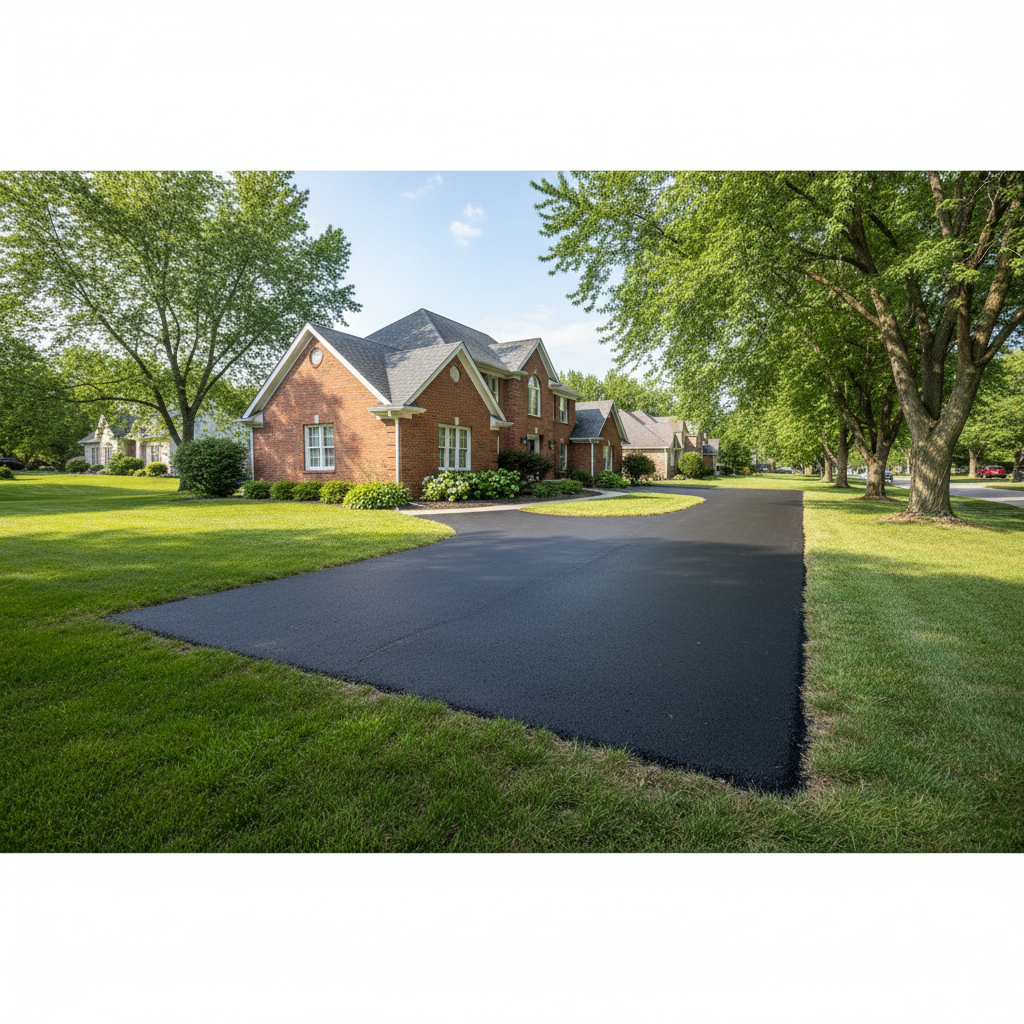
So, you're thinking about getting a new asphalt driveway, huh? That's a pretty big project, and you'll want to make sure it's done right. I've been around the block a few times here in Lansing, and the smoothest jobs are always the ones where the homeowner knows what's coming. Let's talk about how to plan your paving project so you don't run into any surprises.
When's the Best Time for Paving?
Timing is everything, especially when you're working with asphalt. You can't just pave whenever you feel like it; the weather really calls the shots. Generally, the sweet spot for asphalt paving in Lansing runs from late spring right through early fall. Think May to October. Why that window?
- The ground needs to be thawed out and dry. Trying to pave on frozen or waterlogged ground? That's just asking for trouble. We deal with plenty of freeze-thaw cycles around here, so you absolutely need stable soil underneath.
- Asphalt needs warm temperatures to cure correctly. If it's too cold, the asphalt cools off too fast, which makes it harder to compact and less durable in the long run. We're really looking for consistent temperatures above 50 degrees Fahrenheit, ideally.
- Rain can definitely throw a wrench in things. We can sometimes work through a light drizzle, but heavy downpours mean delays. You certainly don't want water getting trapped in the base layer or messing with the fresh asphalt.
So, start planning in late winter or early spring for a project that happens in the summer or early fall. That gives you plenty of time to get bids, pick a contractor, and get on their schedule before everyone else tries to.
What to Expect During the Paving Process
Once you've picked a contractor and locked in a date, here's a general idea of what's going to happen. It's usually not a one-day job, so be ready for a little disruption.
- Excavation and Grading: First off, we'll remove your old driveway if you have one. Then, we dig out the area to the right depth, making sure the subgrade is good and solid. This is where good drainage starts, by the way. We'll grade it so water flows away from your house, not pooling up against it. This step is super important, especially if your property has a slight slope or if you're in an area like the Westside where some older homes might have unique drainage quirks.
- Base Layer Installation: This is basically the backbone of your driveway. We'll lay down a layer of crushed stone or gravel, usually about 6-8 inches thick for a residential driveway. We compact this base layer really thoroughly. A strong, stable base prevents your asphalt from cracking and sinking later on. Seriously, don't let anyone skimp on this part.
- Binder Layer (sometimes): For driveways that need to be thicker or handle heavier loads, we might add a binder layer of asphalt. This is a coarser mix that just adds more strength and stability.
- Surface Layer Installation: This is the top layer, the smooth asphalt you'll actually drive on. We'll lay down the hot asphalt mix, spread it out evenly, and then compact it with heavy rollers. This is where you see that beautiful, dark finish come to life.
- Compaction and Finishing: We keep rolling the asphalt until it's dense and smooth. After that, we clean up the edges and make sure everything looks neat and tidy.
The whole process, from start to finish, typically takes a few days. It really depends on how big your driveway is and what the weather's doing. You won't be able to drive on it immediately, so plan for that. We'll tell you exactly how long you need to wait, but it's usually 2-3 days before light traffic and a week or more before you can bring in heavier vehicles.
How to Get Your Property Ready
You've got a role to play too! Here's how you can help make sure things go smoothly:
- Clear the Area: Move your cars, boats, RVs, trash cans, basketball hoops – anything that's near the driveway or could get in our way. We need clear access.
- Trim Landscaping: If you have bushes, trees, or landscaping close to the driveway, trim them back. We don't want to damage your plants, and we need room to maneuver our equipment.
- Mark Sprinklers/Utilities: If you've got an underground sprinkler system, an invisible dog fence, or any other buried lines near the driveway, mark them clearly. We definitely don't want to hit them. Even better, tell us exactly where they are.
- Plan for Access: Remember, you won't be able to use your driveway for a few days. Figure out where you'll park your cars and how you'll get in and out of your house.
- Communicate: If you have any questions or concerns before we start, talk to us! That's what we're here for, after all.
Questions to Ask Before You Sign That Contract
Don't just jump at the lowest bid, okay? You're making an investment, and you want it done right. Here are some key questions to ask any contractor, including us here at Valley Asphalt Inc.:
- What's your full scope of work? Make sure everything is spelled out: excavation, base depth, asphalt thickness, how many layers, compaction methods.
- What kind of materials do you use? Ask about the asphalt mix design and the type of base material. Quality really matters.
- How do you handle drainage? This is absolutely critical. Make sure they have a plan to ensure water flows away from your home and foundation.
- What's your timeline? Get a realistic start and completion date, and ask about potential delays if the weather goes south.
- Do you have insurance and licensing? Seriously, don't even think about working with someone who isn't properly insured and licensed. Ask for proof.
- Can I see references or examples of your work? A good contractor will be happy to show you past projects.
- What kind of warranty do you offer? A reputable company will stand behind their work. Understand what's covered and for how long.
- What's the payment schedule? Don't pay for the whole job upfront. A typical schedule might be a deposit, a payment at a certain milestone, and the final payment once the job is complete and you're satisfied.
Getting a new driveway is a big deal, but with a little planning and by asking the right questions, you can make sure it's a smooth, successful project. You'll be enjoying that fresh asphalt for years to come.